PEth Unbeatable Ethanol Biomarker?
Phosphatidylethanol (PEth) is a blood biomarker for ethanol (alcohol) consumption. PEth forms exclusively in the presence of ethanol and has a long elimination half-life, remaining detectable for up to six weeks or longer. PEth 16:0/18:1 has been identified as the primary analog for analysis.
In 2022, the Society of PEth Research formed an international committee and produced a consensus document on the use of PEth as an alcohol biomarker. According to the consensus, a PEth 16:0/18:1 concentration of less than 20 ng/mL is considered “compatible with abstinence or low alcohol consumption.”
This study investigates whether incidental ethanol exposure can result in PEth concentrations at or above 20 µg/L (ng/mL). Thirty participants who self-reported abstinence from alcohol consumption for the past 90 days were enrolled. These participants were asked to document and/or photograph any non-beverage alcohol-containing products used in the past 30 days. Examples included cooking products, hand sanitizers, personal hygiene products, and nicotine products.
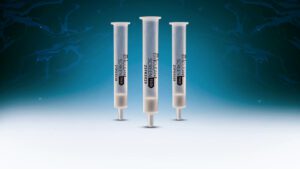
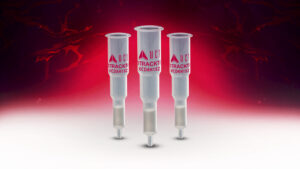
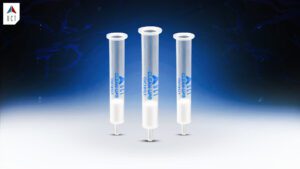
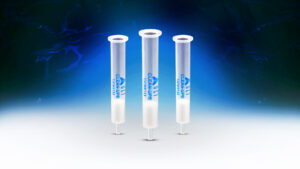
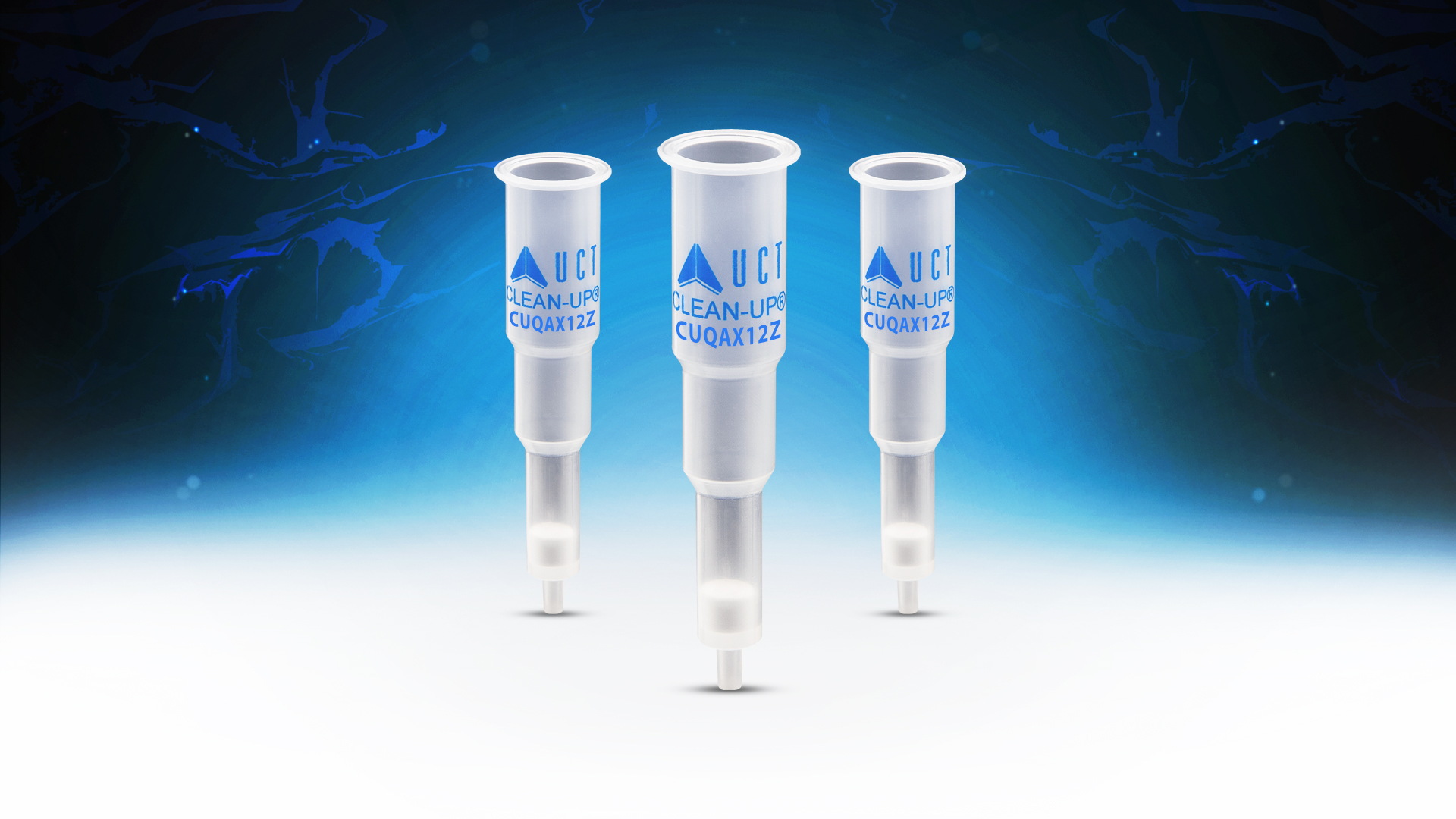
At the time of the study, urine samples were collected for ethylglucuronide (EtG) and ethylsulfate (EtS) analysis. Dried blood spots were also collected for PEth analysis. Hair samples were collected for EtG analysis. Hair samples were extracted using UCT’s Clean-Up® Quaternary Amine solid-phase extraction cartridges (PN: CUQAX12Z).
Decontamination:
- Sequential washes with 1 mL each of hexane, methylene chloride, and methanol
- Weigh and portion 50 mg of hair
- Powder the sample using a Mini-Bead Beater 8-ball mill
- Add 1 mL of deionized water to the powdered hair and incubate in a 40°C sonicating bath
Solid-Phase Extraction:
- Condition with 2 mL methanol and 2 mL deionized water
- Load sample
- Wash with 2 mL deionized water and 2 mL methanol
- Elute with 2% formic acid in methanol
- Samples were evaporated and reconstituted prior to LC-MS/MS analysis
Results
EtG was negative in all available hair samples at the limit of quantitation (8 pg/mg). Two of the 30 participants had PEth concentrations above 20 µg/L. One of these participants reported daily exposure to ethanol through frequent disinfection of her body and work environment using a spray bottle containing 95% alcohol by volume (ABV). In addition, the participant consumed kombucha, which contains trace amounts of ethanol as a byproduct of fermentation, and several drops of Bach Flower Remedies (27% ABV) multiple times daily. This combination of exposures likely contributed to elevated PEth concentrations, despite negative results from urine and hair analyses.
The other participant with PEth levels above 20 µg/L was excluded from the analysis. Their self-reported exposure was inconsistent with PEth concentrations observed in prior studies and in participants with similar exposure claims. A hair sample was not available to verify long-term abstinence from alcohol.
Conclusion
This study has several limitations, including reliance on self-reported data and a lack of environmental control. However, it demonstrates that intensive, incidental alcohol exposure can potentially result in PEth concentrations above the 20 ng/mL threshold established by the Society of PEth Research.
Citations:
Luginbühl, M., Wurst, F.M., Stöth, F., Weinmann, W., Stove, C.P. and Van Uytfanghe, K. (2022), Consensus for the use of the alcohol biomarker phosphatidylethanol (PEth) for the assessment of abstinence and alcohol consumption in clinical and forensic practice (2022 Consensus of Basel). Drug Test Anal, 14: 1800-1802. https://doi.org/10.1002/dta.3340
Reisfield GM, Teitelbaum SA, Jones JT, Lewis B. The effect of incidental ethanol exposures on the formation of blood phosphatidylethanol. Drug Test Anal. 2025; 17(4): 570-578. doi:10.1002/dta.3752