Metonitazene stability assessed with help from UCT’s Clean Screen DAU column
Nitazenes (2-benzylbenzimidazole opioids) are a class of synthetic opioids that have increased in prominence over recent years. They have been detected in counterfeit drug material as adulterants as well as in their pure form for recreational abuse. Nitazenes have been shown to bind to μ-opiod receptors with varying strength, but many have been found to be more potent than fentanyl. This makes nitazenes a public health concern and analyte of interest for forensic testing.
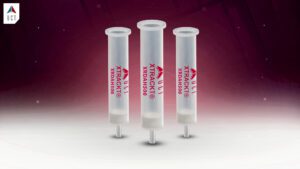
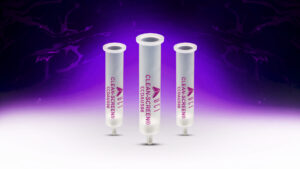
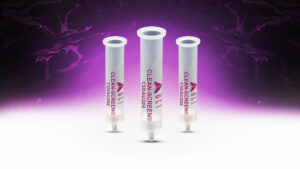
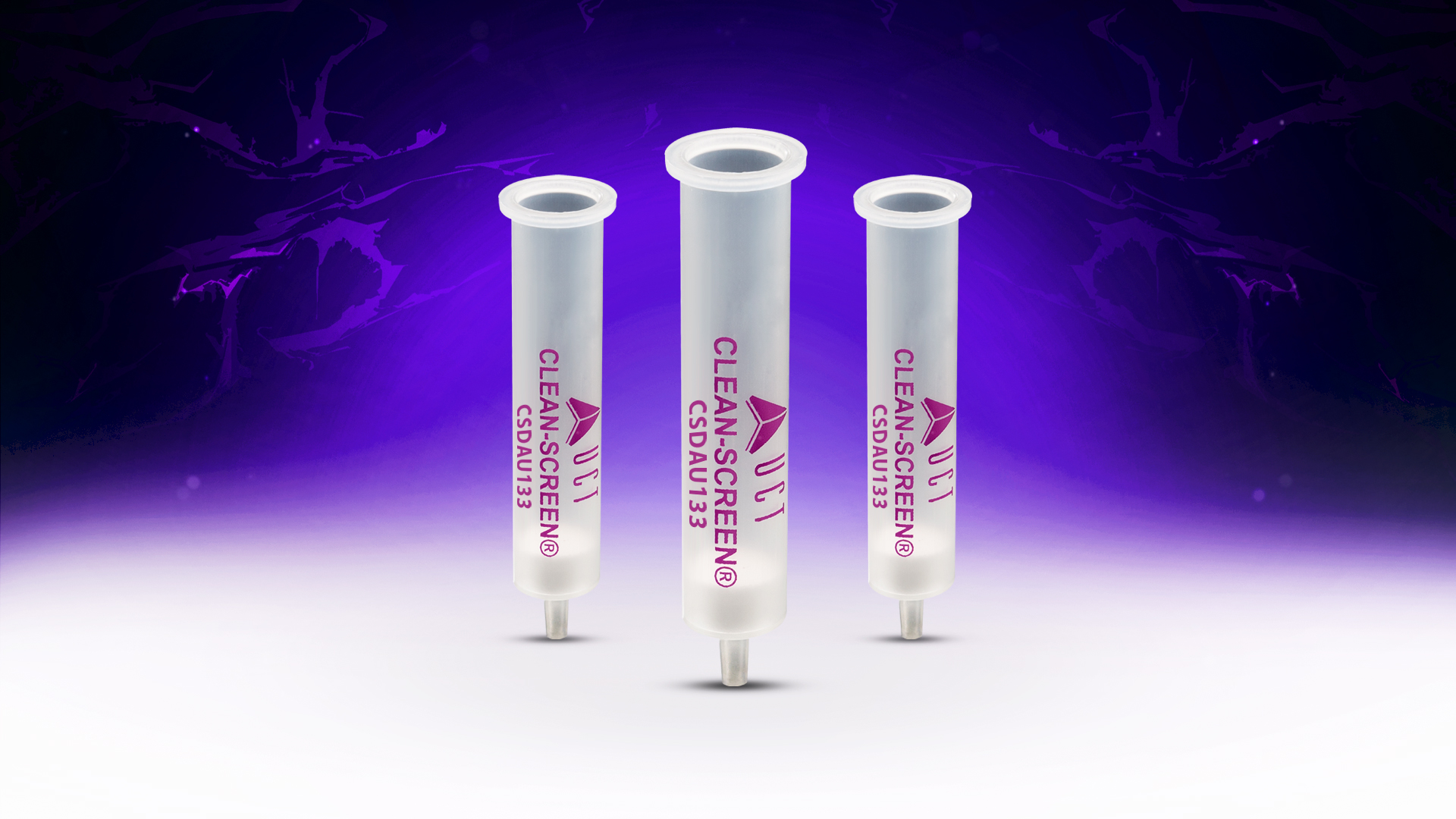
Metonitazene is one of the most common nitazenes currently being detected in drug material. A study was conducted by SPA Forensic Services located in Glasgow, UK to determine the stability of metonitazene in biological samples using an authentic post-mortem case. Four specimens were received from the same post-mortem case for analysis: one preserved blood sample, two unpreserved blood samples, and one preserved urine sample. A screening method utilizing solid phase extraction (SPE) coupled with LC-QQQ-MS analysis was performed on one of the unpreserved blood samples and a positive result was received for metonitazene. The solid phase extraction procedure utilized UCT’s Clean Screen® DAU columns. Columns were conditioned with methanol, deionized water, and phosphate buffer (pH 6) before sample application. Columns were washed with deionized water, sodium acetate buffer (pH 4.5), and methanol prior to elution with dichloromethane: isopropanol: ammonia (78:20:2 v/v/v). This extraction exhibited absolute matrix effects of 89% as well as acceptable precision and bias.
Metonitazene was initially detected in the unpreserved blood sample during screening but was not detected by LC-QTOF-MS in the same specimen during confirmation testing approximately 86 days later. The sample was re-screened using LC-QQQ-MS and the other specimens were also tested. The preserved blood and urine samples were positive for metonitazene while both unpreserved blood samples were negative. All specimens were stored under the same refrigerated and frozen conditions. The unpreserved blood sample that originally tested positive and then negative was analyzed by LC-QTOF-MS and the full scan MS data analyzed. Mass spectral data was produced consistent with 5-aminometonitazene and 5-acetamidometonitazene. These degradation products could not be confirmed, but this is the first case in which 5-acetamidometonitazene has been tentatively identified in authentic post-mortem blood.
This study highlights the importance of preserving biological specimens for toxicological testing. Nitazenes can undergo in vivo metabolism or in vitro degradation through bacterial means to create metabolites and degradation products that could result in false negatives. The stability of nitazenes is an important consideration when developing robust forensic methods and interpreting trends.
For more information on extracting nitazenes using Clean Screen® DAU columns, check out UCT’s application note “Solid Phase Extraction of Novel Synthetic 2-Benzylbenzimidazole Opioid Compounds “Nitazenes””
Citation: Parks, C., Maskell, P. D., McKeown, D. A., & Couchman, L. (2024). Identification of 5-aminometonitazene and 5-acetamidometonitazene in a postmortem case: are nitro-nitazenes unstable?. Journal of analytical toxicology, 48(9), 691–700. https://doi.org/10.1093/jat/bkae076