Expanding Fentanyl Analog Testing to Brain Tissue: SPE-Based Method Development method validation and homogenate stability assessment
The opioid epidemic has shifted over the past decade from prescription opioids to illicit fentanyl and a growing number of synthetic analogs. This has driven a sharp increase in overdose deaths and placed greater demands on forensic toxicology laboratories to detect a broad range of compounds at very low concentrations. At the same time, traditional matrices such as blood are not always available or reliable due to postmortem changes and variability. In response to this need, Behnke and collaborators¹ investigated brain tissue as an alternative postmortem matrix for fentanyl and fentanyl analog testing in decomposed or challenging forensic cases where conventional toxicology specimens may not be available, focusing on method validation, SPE-based sample preparation, LC-MS/MS analysis, and brain homogenate stability under different storage conditions.
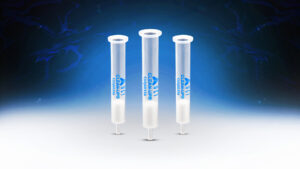
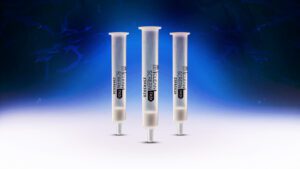
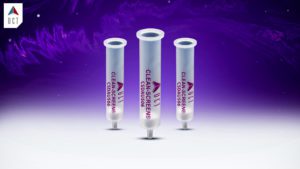
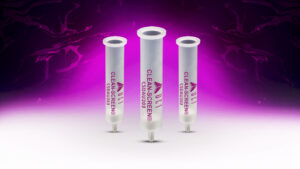
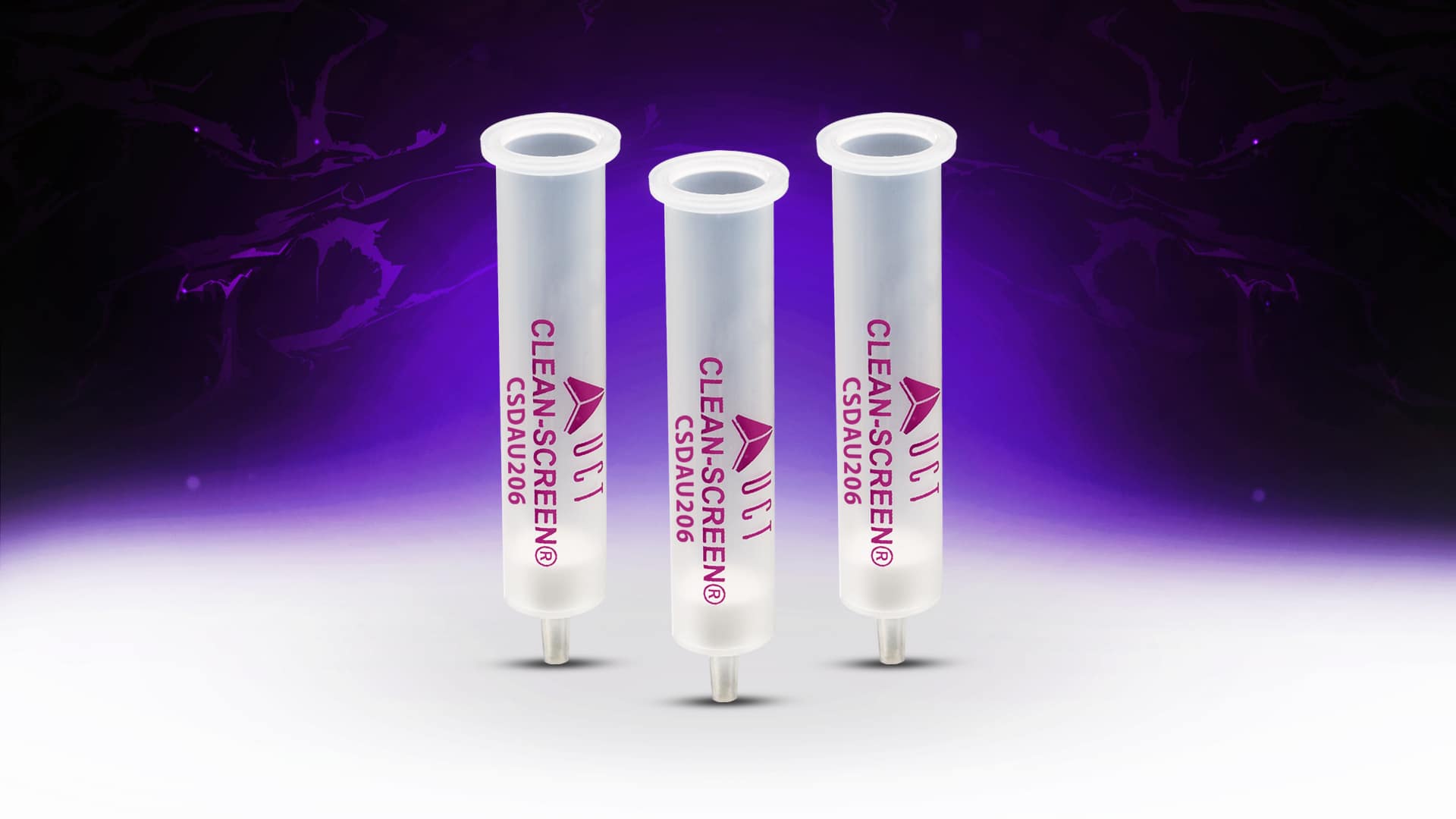
Brain homogenates present significant analytical challenges due to their high lipid and protein content, which can contribute to matrix effects during LC-MS/MS analysis. To address the challenges associated with this complex matrix, the study evaluated a validated SPE-based workflow for the analysis of fentanyl and fentanyl analogs in brain homogenates, using Clean Screen® DAU Column (CSDAU206) as the primary sample preparation tool. The DAU SPE procedure provided a reproducible cleanup approach that was successfully applied to brain tissue, helping to minimize matrix interferences and generate extracts suitable for LC-MS/MS analysis. The resulting method demonstrated the ability to reliably detect fentanyl and multiple fentanyl analogs in brain specimens, supporting the use of SPE-based sample preparation for challenging postmortem toxicology applications.
Overall, the study showed that brain homogenates can be used as an alternative matrix for the analysis of fentanyl analogs and selected synthetic opioids when combined with SPE cleanup and LC-MS/MS detection. The method achieved low (ng/g) sensitivity and acceptable validation performance for key analytes, although quantitative results varied due to matrix effects and differences in internal standards. Stability studies showed that most analytes were stable through three freeze–thaw cycles and that frozen storage provided the best long-term preservation. Several compounds, including fentanyl, carfentanil, acetyl fentanyl, para-fluorofentanyl, methoxyacetyl fentanyl, and norfentanyl, remained stable for up to 90 days under frozen conditions. These findings support brain tissue as a useful complementary matrix in postmortem toxicology and demonstrate that Clean Screen® DAU SPE Columns (CSDAU206) can be effectively applied for sample preparation of these complex biological samples.
Reference:
Behnke, G.; Skillman, B.; Palmquist-Orlando, K.; Arndt, C.; Gray, T. R. Expanding Fentanyl Analog Testing to Include Brain Specimens: Method Validation and Homogenate Stability Assessment. J. Anal. Toxicol. 2026, 50 (1), 1–7. https://doi.org/10.1093/jat/bkaf082