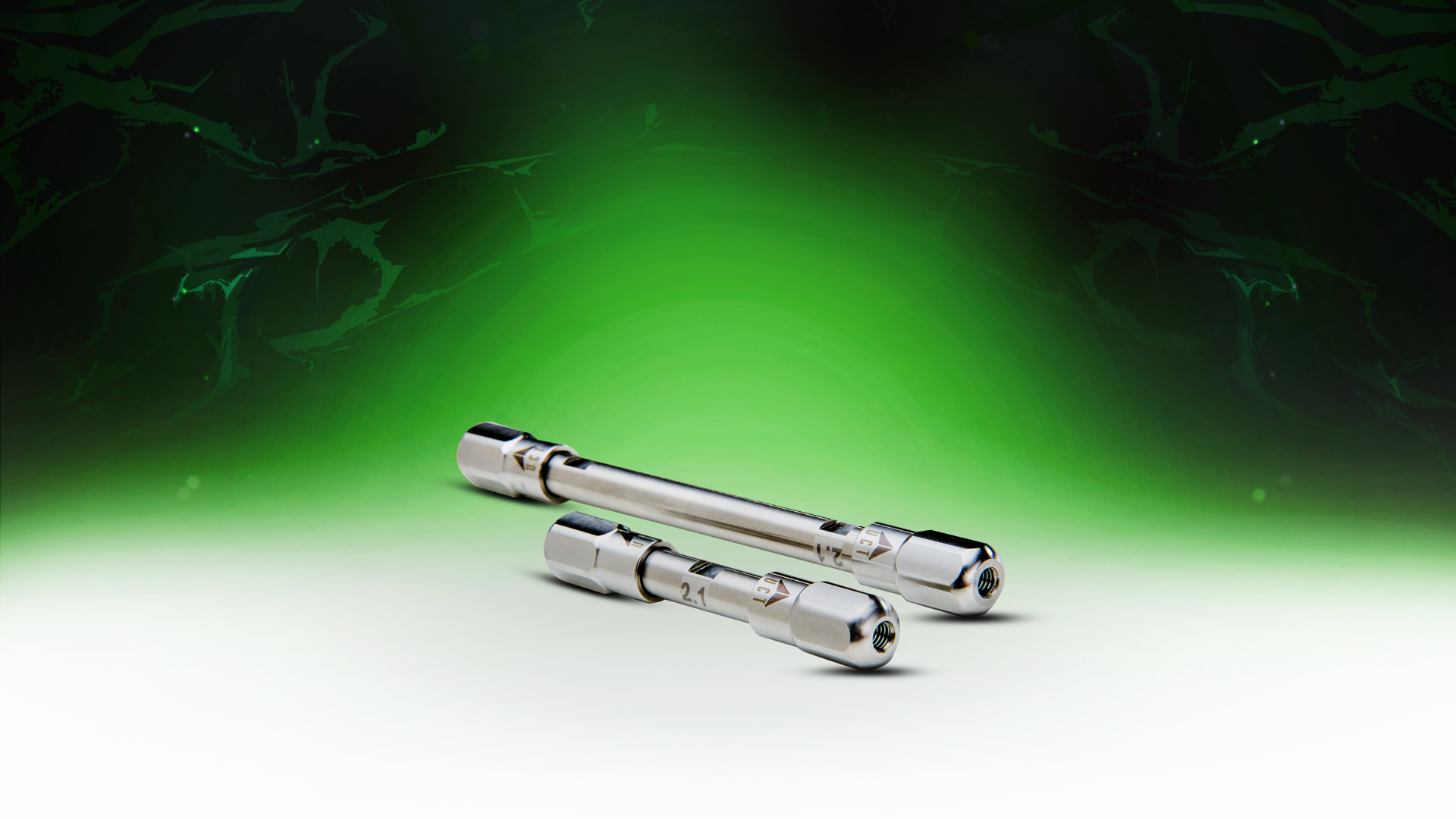
Check out UCT’s new article on Cannabis Industry Journal entitled, “HPLC Column Selection for Cannabis Chromatographers.”

With diluted wastewater discharge being used as a source of drinking water in many locations throughout the world, it should be of concern which medications are commonly found in our wastewater. Researchers at the Institute of Environmental Technology, Vietnam Academy of Science & Technology have published a method for the determination of two common analgesics…
Multiple strategies can be used to derivatize opiates prior to analysis on GC-MS. A variety of both silylation and acylation reagents can be used to best accomplish this, including either BSTFA (with 1% TMCS) or Propionic Anhydride (PIA).
Xylazine is a veterinary sedative that is becoming an increasingly popular cutting agent in fentanyl samples. This combination of drugs is commonly referred to as “Traq”. Xylazine is not approved for use in humans, so it is not fully understood how xylazine contributes to overdose deaths. To gain insight into its prevalence in overdose cases,…
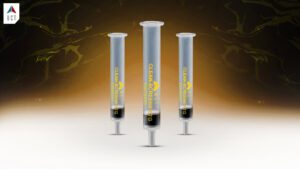
A single sample preparation and instrument method was developed for the analysis of 54 analytes in hair. Analytes in the panel included drug of abuse, synthetic opioids, and ethyl glucuronide. Hair is an alternative matrix used in forensic toxicology due to its longer detection window. The matrix is also more stable, does not require refrigerated…
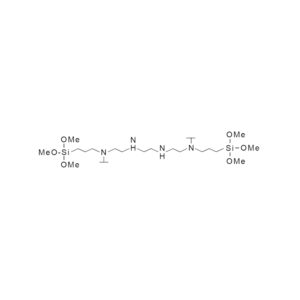
Monolithic materials are versatile adsorbents widely employed in separation science, sample preparation and as supports for flow through applications (e.g. heterogeneous catalysis, ion-exchange, solid-phase extraction, etc). Interest around their preparation and applications has been steadily on the rise. In a recent paper published in Journal of Chromatography A ((2017) 498 46-55) by Patrizia Simonea et al., UCT’s specialty chemical N-trimethoxysilylpropyl)-polyethylenimine was employed in the production of capillary methacrylate-based monoliths. This process was executed by grafting from/to ƴ -ray polymerization on a tentacle-type reactive surface for the liquid chromatographic separations of small molecules and intact proteins.
UCT is excited to participate in the 9th Annual MSACL Conference & Exhibit. Stop by BOOTH 1 to learn about all our latest product offerings and collaborations, including our HPLC columns, QuEChERS products geared towards the analysis of cannabis and edible products, Abalonase®/ Abalonase®+ Purified Beta Glucuronidase, as well as our full line of sample preparation products, reagents, and accessories.
No products in the cart.