UCT product used to explore routes of pain medication administration in ferrets
Although Ferrets exist widely domestically as companion and laboratory animals, few options exist to treat moderate to severe pain in ferrets through noninjectable administration. A
research group out of the University of Georgia conducted pharmacokinetic studies to determine the viability of oral transmucosal buprenorphine usage for pain management in ferrets.
Eight female ferrets were administered buprenorphine twice at a dose of 0.04 mg/mL with a 10-day wash-out period between each dose. Each dose was administered either
intramuscularly (IM) or by oral transmucosal (OTM). The second dose was administered through whichever route was not used the first time, so each ferret was dosed through each administration route. Blood samples were collected at designated time intervals for up to 720 minutes after administration. Blood was drawn through a vascular access button (VAB) system surgically installed between the ferrets’ shoulder blades. Ferrets were assessed for buprenorphine side effects and assigned sedation scores. Full necropsies were performed following completion of pharmacokinetic sampling.
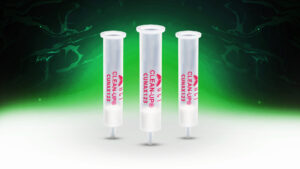
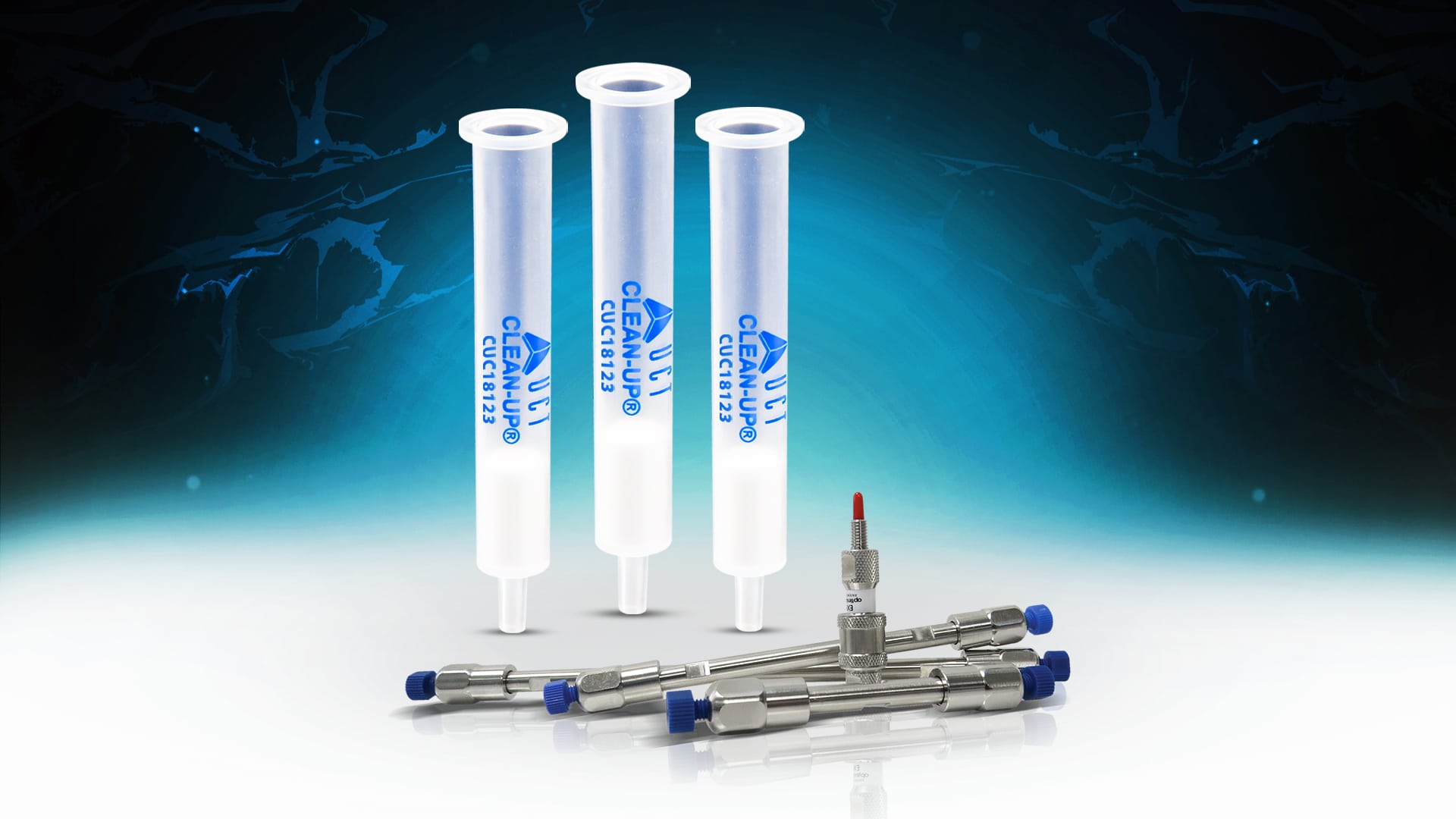
Plasma samples (0.1 mL) were obtained from the whole blood samples, diluted in 0.1 M phosphate buffer (pH 6), and extracted by solid phase extraction (SPE). Clean-Up® Unendcapped C18 Column 200mg 3mL (P/N CUC18123) were used for the extraction. Following SPE, samples were prepared for analysis by LC-MS-MS using an analytical column
equivalent to Selectra® C18 100 x 2.1 mm x 3 µm (P/N SLC-18100ID21-3UM).
The pharmacokinetic data found for IM buprenorphine was consistent with results from previous studies. After OTM administration, C max and T max could not be accurately reported due to the proximity of the sampling site. However, OTM buprenorphine displayed a very short terminal half-life of less than an hour. IM and OTM routes displayed different pharmacokinetic profiles but produced similar sedation effects. Additional research is needed to create a pharmacokinetic profile of buprenorphine in ferrets following OTM administration.
If your lab is interested in extracting buprenorphine from biological fluids, check out one of UCT’s multiple application notes!
https://www.unitedchem.com/resources/application-notes/?query=buprnorphine