Urine and Hair Analysis for Opiates after Poppy Seed Consumption
Poppy seeds cause a positive drug test. What was once thought of as an urban legend is now a very real worry for forensic toxicologists. Over recent years, several studies have been released highlighting the existence of codeine-predominant poppy seed products that could produce urinary codeine levels above cutoff thresholds after consumption and create false positive drug tests. Thresholds and acceptance criteria are important parts of accurate toxicological testing, but are they enough to avoid false positives in this scenario?
A dosing study was conducted to assess just how problematic codeine-predominant poppy seed consumption is for opiate drug testing. Ten participants consumed specified servings of food products containing poppy seeds that were presumed to contain elevated codeine levels based on previous studies or anecdotal evidence. Food products included lemon poppy seed muffins, everything bagels, cake, and a kolach. Baseline urine and hair samples were collected. Urine samples were then collected approximately every 24 hours after consumption before consuming another serving for 10 consecutive days. A final hair sample was collected within a few days after last consumption.
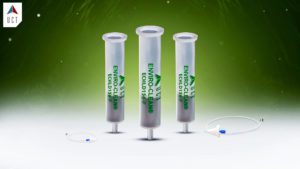
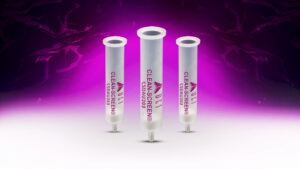
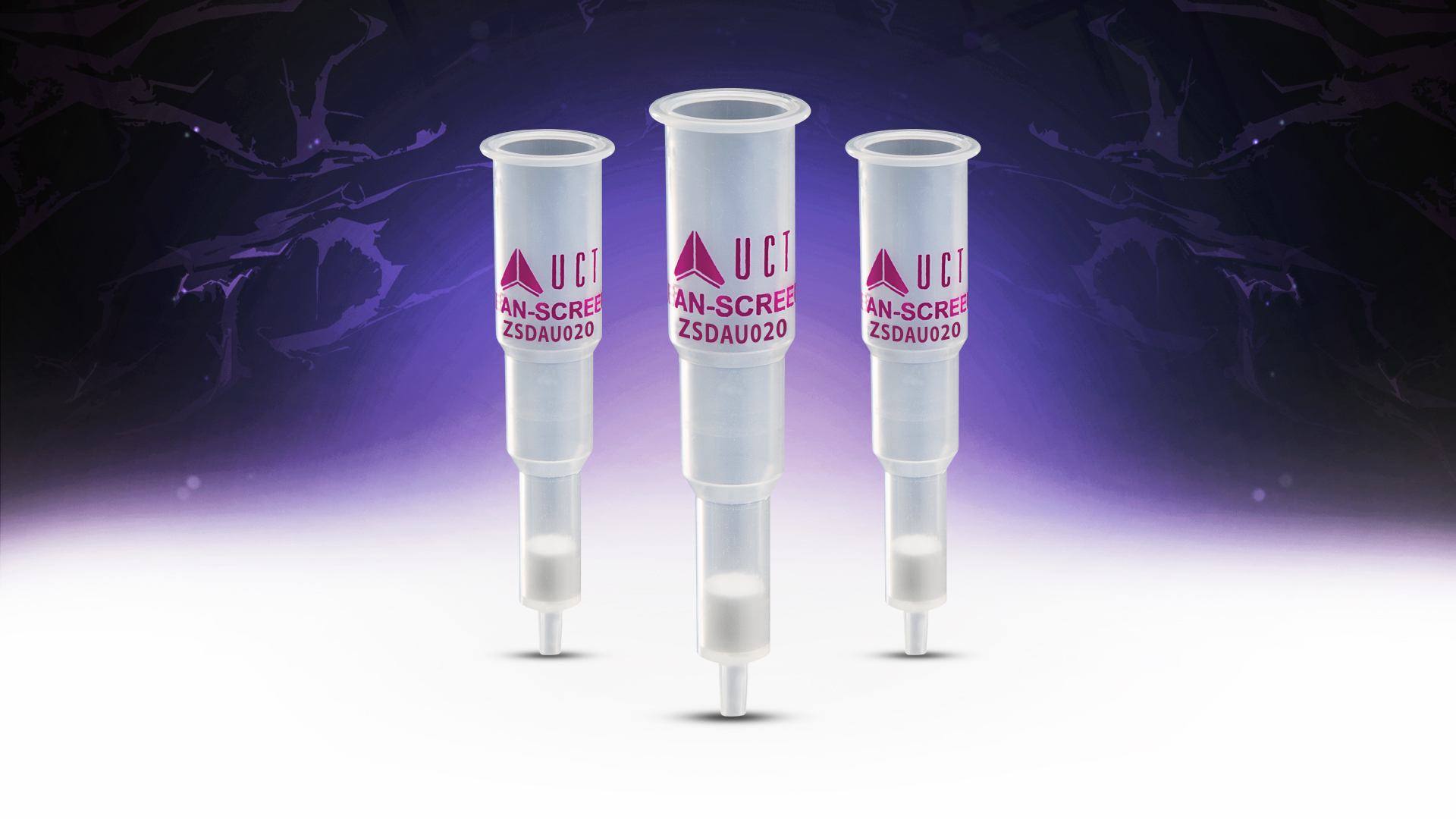
Codeine and morphine as well as their minor metabolites, hydrocodone and hydromorphone, were quantified in each sample by LC/MS/MS. Urine samples were hydrolyzed and then injected directly for analysis. Hair samples were powdered. Methanol and acidic extractions of the hair were collected, combined, and purified by solid phase extraction. Clean Screen DAU (ZSDAU020, 200 mg, 10 mL) cartridges were conditioned with methanol, deionized water, and phosphate buffer (pH 6). After sample application, cartridges were rinsed with deionized water, 0.1 M hydrochloric acid, and methanol. Elution was performed using a solution of methylene chloride:isopropanol:ammonium hydroxide (80:20:2) before evaporation and reconstitution. Limits of quantitation were 20 ng/mL and 40 pg/mL for the urine and hair methods, respectively. In urine, a cutoff of 300 ng/mL has historically been used for codeine to avoid false positive results. A cutoff of 2,000 ng/mL is currently used by the Department of Defense.
Of the ten participants, six did not produce any positive results in urine and represented consumption of one brand of muffin and 3 brands of bagels. Four participants who consumed a poppy seed cake or kolach produced positive opiate results above 300 ng/mL in samples collected at all time points after the initial dose. All of the positive samples were positive for codeine with 45% being positive for morphine as well using a cutoff of 300 ng/mL. Using the DoD cutoff of 2000 ng/mL, 65% of these samples were still positive for codeine, but none for morphine. No metabolites (hydromorphone or hydrocodone) were detected. Two hair samples produced positive results for codeine at 41 and 51 pg/mg.
United States Mandatory Guidelines for Federal Workplace Drug Testing Programs specifies that any urine specimen screening positive for opiates are subject to special review if codeine or morphine are detected above 2,000 ng/mL without the presence of 6-acetylmorphine. The positive is associated with poppy seed ingestion if there is no evidence of opiate abuse/prescription and opiate concentrations are below 15,000 ng/mL in urine. However, in this study, codeine was detected up to 13,000 ng/mL in urine which highlights that a false positive is very possible with consumption of codeine-predominant poppy seed products. Urinary concentrations found in this study had substantial intra-participant variability but no clear trend of concentrations increasing over time was observed.
This study highlights the importance of accurate opiate testing in biological specimens for drug testing as well as the importance of thorough standards for determining positive results. Additional toxicological applications for detection of opiates can be found at https://www.unitedchem.com/resources/application-notes/
Source: Reisfield GM, Teitelbaum SA, Jones JT, Mathias K, Lewis B. Urine and hair drug test results associated with daily consumption of codeine-predominant poppy seed food products. J Anal Toxicol. 2024;48(1):27-36. doi:10.1093/jat/bkad083