
EPA Method 8270E for SVOC Analysis
Reliable Semi-Volatile Organic Compound extraction using UCT’s dual cartridge SPE system. A cost-effective alternative to liquid-liquid extraction for water and TCLP samples.
What is EPA Method 8270E?
EPA Method 8270E is an established analytical method for the determination of semi-volatile organic compounds (SVOCs) in aqueous samples and TCLP leachates using solid phase extraction (SPE) and gas chromatography/mass spectrometry (GC/MS). The method allows for the extraction of acids, bases, and neutral compounds in a single sample pass.
UCT’s innovative dual cartridge system provides a reliable, efficient, and cost-effective alternative to traditional liquid-liquid extraction (LLE). The tandem approach uses UCT’s proprietary 8270 cartridges in-line with activated carbon cartridges, enabling high throughput extraction of up to 12 samples per manifold in 5-6 hours while eliminating common LLE issues like emulsions and excessive solvent consumption.
- Extract acids, bases, and neutral compounds including PAHs, pesticides, and phenols in a single pass
- Dual cartridge system captures polar compounds like 1,4-dioxane and nitrosamines
- Uses up to 8x less solvent than traditional methods
- Process 12 samples per manifold in 5-6 hours with excellent recovery and reproducibility
Why Choose UCT’s SPE Method?
UCT’s dual cartridge system offers significant advantages over traditional liquid-liquid extraction.
Traditional liquid-liquid extraction (LLE) has long been the standard approach for EPA Method 8270E SVOC analysis, but it comes with well-known drawbacks: large solvent volumes, labor-intensive separatory funnel work, persistent emulsion problems in high-particulate matrices, and lengthy processing times that bottleneck laboratory throughput. UCT’s ENVIRO-CLEAN® 8270 SPE system was specifically engineered to address these challenges. The dual cartridge approach — pairing UCT’s proprietary 8270 extraction cartridge with an activated carbon cartridge in tandem — captures the full spectrum of acids, bases, and neutral compounds in a single pass while also retaining highly polar analytes like 1,4-dioxane and nitrosamines. The result is a faster, cleaner, and more cost-effective extraction workflow that environmental laboratories can rely on for routine compliance testing and high-volume sample throughput.
Cost-Effective
Reduced solvent usage and faster processing significantly lower operational costs
High Throughput
Extract up to 12 samples per manifold in 5-6 hours using multi-port SPE manifold
No Emulsions
Eliminates emulsion and white precipitate issues common with LLE
Cleaner Extracts
Produces cleaner chromatograms with excellent recovery rates
EPA Method 8270E SPE Workflow
UCT’s streamlined extraction process for semi-volatile organic compounds.
Sample Prep
Dechlorinate sample, adjust pH to <2, and spike with surrogates and target analytes.
SPE Extraction
Pass sample through stacked 8270 and carbon cartridges to capture all analyte classes.
Elution & Drying
Elute cartridges separately with appropriate solvents and dry through sodium sulfate.
Concentration & GC/MS Analysis
Combine eluates, concentrate to 1 mL, add internal standards, and analyze by GC/MS.
Applicable Sample Matrices
EPA Method 8270E with UCT’s SPE system is validated for aqueous environmental samples.
UCT’s ENVIRO-CLEAN® 8270 SPE system has been validated for the two primary aqueous matrix types encountered in environmental testing laboratories. For drinking water, groundwater, surface water, and wastewater samples, the system processes volumes up to 1 liter using the appropriate ENVIRO-CLEAN® 8270 Starter Kit, with smaller kits available for 100 mL and 500 mL sample volumes. The system is equally effective for TCLP (Toxicity Characteristic Leaching Procedure) leachate analysis, where laboratories must characterize hazardous waste extracts for regulatory compliance. In both matrix types, the dual cartridge configuration eliminates the emulsion formation and white precipitate issues that frequently plague liquid-liquid extraction of complex environmental samples. Contact your local UCT sales representative for guidance on selecting the right kit size for your laboratory’s sample volume requirements.
Aqueous Samples
Surface water, groundwater, and wastewater samples up to 1 liter
TCLP Leachates
Toxicity Characteristic Leaching Procedure extracts for hazardous waste characterization
Recommended Products for EPA Method 8270E
UCT offers complete kits and accessories for efficient SVOC extraction using the dual cartridge system.
Getting started with UCT’s SPE approach to EPA Method 8270E is straightforward. The ENVIRO-CLEAN® 8270 Starter Kit includes everything needed for your first extractions: 8270 cartridges, activated carbon cartridges, cartridge adapters, and transfer tubes. For laboratories processing high sample volumes, UCT’s PFAS Vacuum Manifold — 16 Position enables simultaneous extraction of up to 16 samples, while PFAS Transfer Tubes provide verified, contamination-free connections between cartridges and manifold systems. Browse the full range of environmental SPE products to find the right configuration for your laboratory.
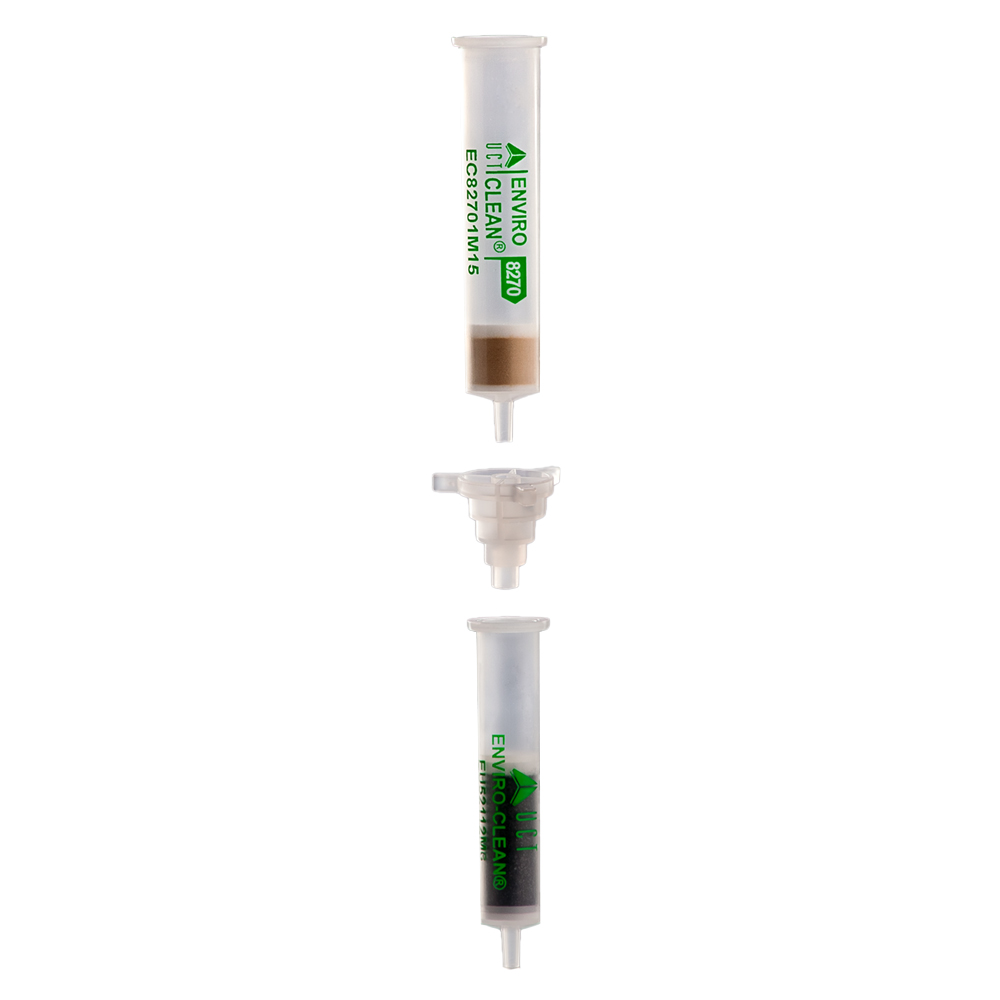
ENVIRO-CLEAN® 8270 Starter Kit
Complete kit with 8270 cartridges, carbon cartridges, adapters, and transfer tubes for 1L samples.
View Product
PFAS Vacuum Manifold — 16 Position
Complete glass block manifold system for high-throughput SPE processing of multiple samples.
View Product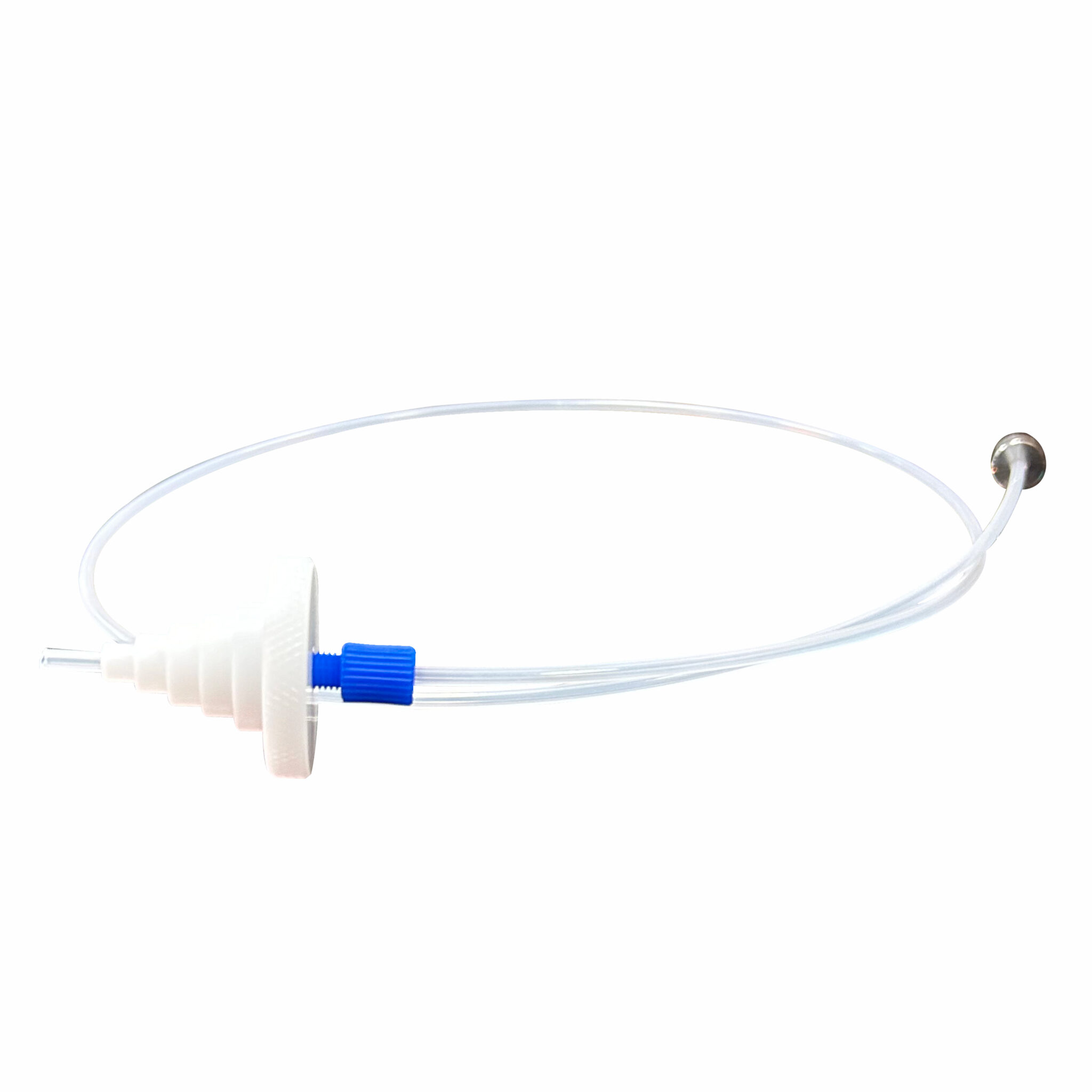
PFAS Transfer Tubes (1ct)
PFAS-verified transfer tubes for connecting SPE cartridges to manifold systems during SVOC extraction workflows.
View ProductFrequently Asked Questions
Common questions about EPA Method 8270E and SVOC analysis.
What compounds does EPA Method 8270E detect?
EPA Method 8270E detects semi-volatile organic compounds including PAHs, phenols, phthalates, nitrosamines, pesticides, and chlorinated compounds. The dual cartridge system captures both hydrophobic and polar analytes.
Why use SPE instead of liquid-liquid extraction?
SPE offers significant advantages: reduced solvent consumption, no emulsion formation, faster processing (12 samples per manifold in 5-6 hours vs. much longer for LLE), cleaner extracts, and better reproducibility. It’s also more cost-effective.
When is the carbon cartridge needed?
The carbon cartridge is required when analyzing very polar compounds like 1,4-dioxane, N-nitrosodimethylamine, N-nitrosomethylethylamine, methyl methanesulfonate, ethyl methanesulfonate, and 1-Nitrosopyrrolidine. It’s not needed for TCLP SVOC lists.
What sample volumes can be processed?
UCT offers kits for different sample volumes: up to 100 mL, up to 500 mL, and up to 1 liter. Browse our environmental SPE products to choose the appropriate cartridge size based on your sample volume requirements.
What recovery rates can I expect?
UCT’s 8270 system typically achieves 70-120% recovery for most analytes with RSDs under 15%. The method has been validated for 131 compounds with laboratory fortified blanks at multiple concentration levels.
How do I prevent low recoveries?
Key factors include: thorough cartridge drying before elution (wet sorbents cause low recovery), proper bottle rinsing for PAH recovery, fresh elution solvents (especially ammonium hydroxide), and immediate concentration after elution for light-sensitive compounds. Contact your local UCT sales representative for additional troubleshooting guidance.